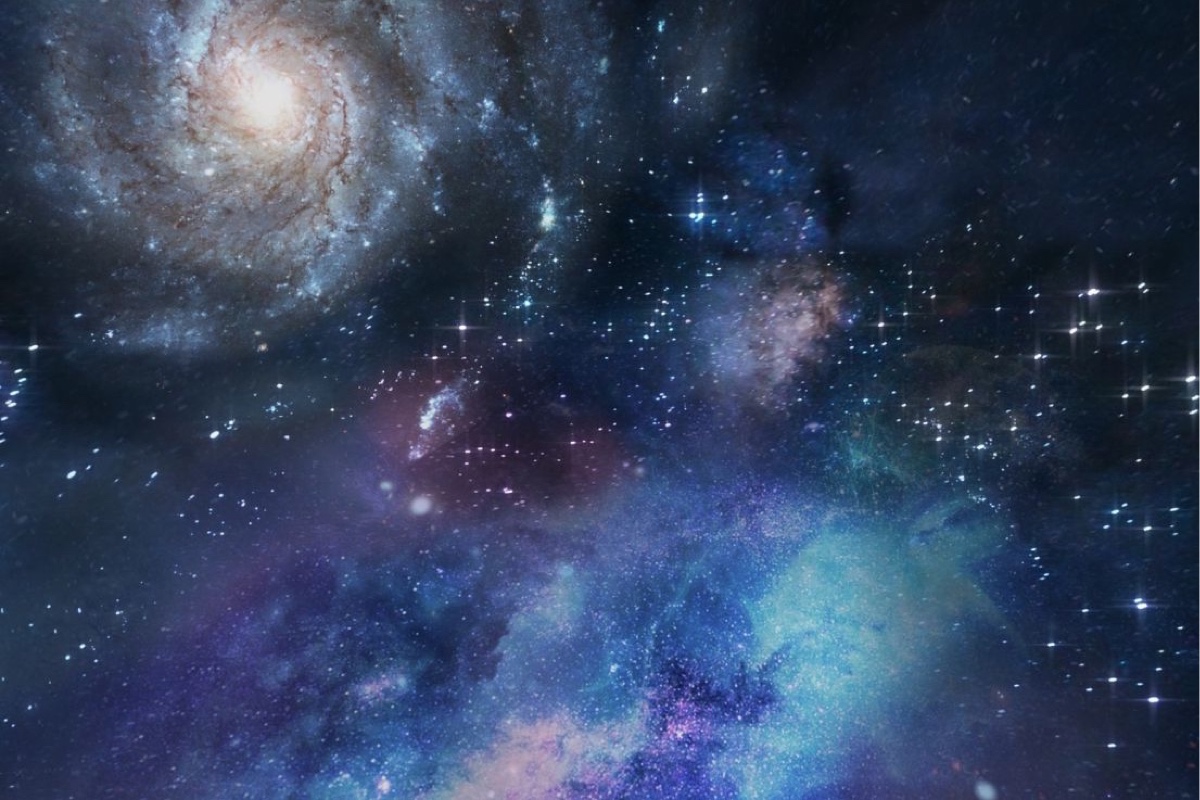
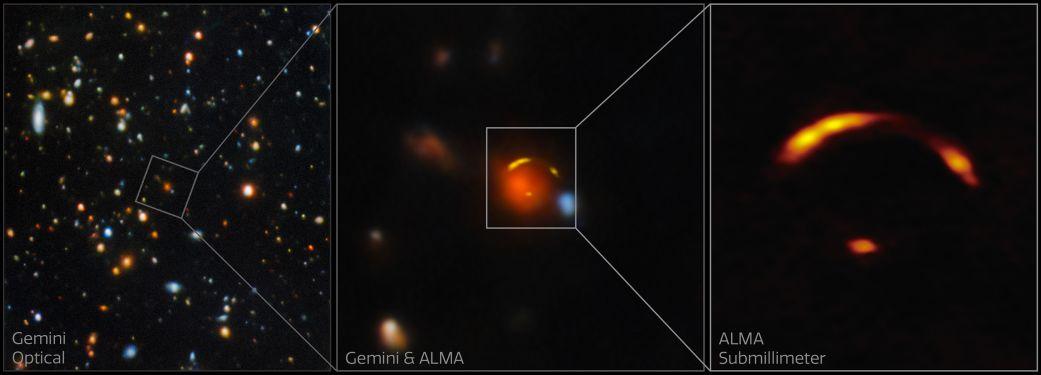
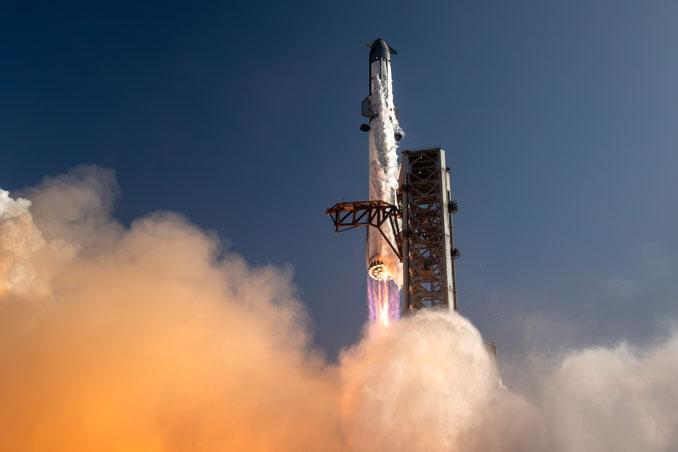
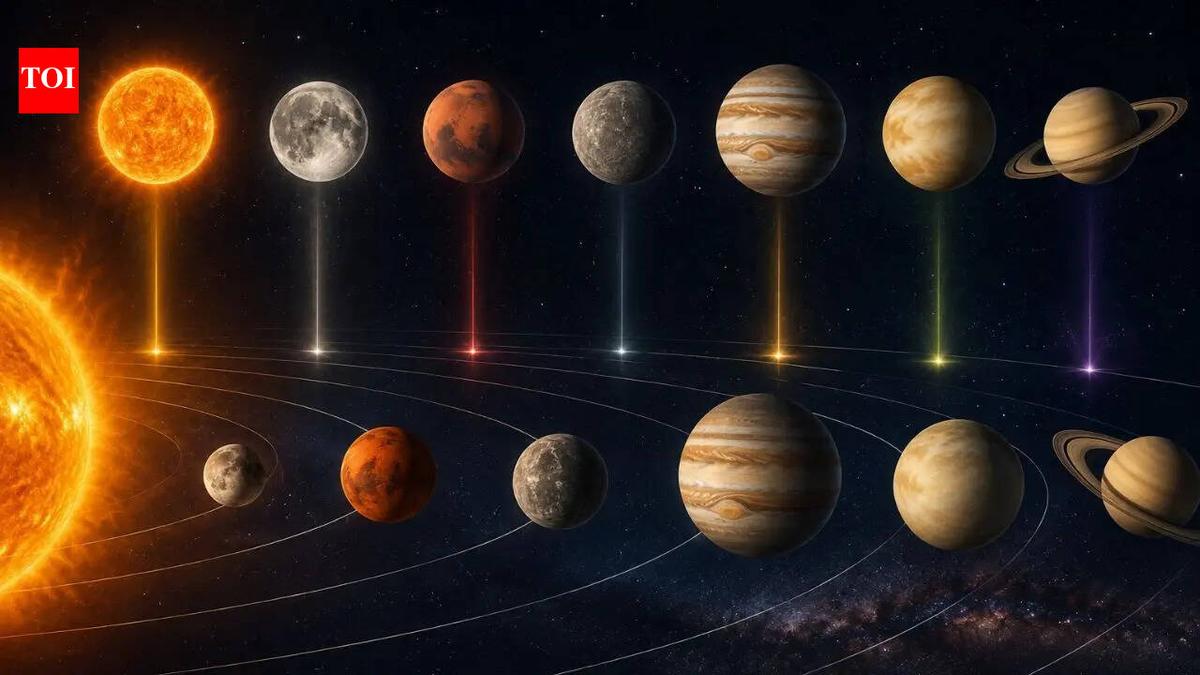
Beyond the Stars12 giorni faNotiziaGen Z visitors explore Guizhou's path to global marketsSpace travel and astronomy have captivated humanity for centuries, igniting our imagination and pushing the boundaries of scientific exploration. As we venture further into the cosmos, advancements in technology have made space travel more accessible than ever before. The development of reusable rockets and international collaborations, such as the Artemis program, aim to return humans to the Moon and eventually send astronauts to Mars. These missions not only promise to expand our understanding of the universe but also inspire future generations to pursue careers in science and engineering. The study of astronomy has also evolved significantly, thanks to powerful telescopes and sophisticated instruments that allow us to peer deeper into space. Observatories like the Hubble Space Telescope and the upcoming James Webb Space Telescope have provided breathtaking images and invaluable data, revealing the mysteries of distant galaxies, exoplanets, and cosmic phenomena. This wealth of information enhances our understanding of the universe's origins, structure, and potential for life beyond Earth. As we continue to explore the final frontier, the intersection of space travel and astronomy offers endless possibilities for discovery and innovation. Each mission and observation brings us closer to answering fundamental questions about our place in the universe, fostering a sense of wonder and curiosity that transcends borders and generations.0 LikeCommentaCondividiVai alla fonte?
Beyond the Stars13 giorni faNotiziaRohan Arni, 17, used deep learning to study mysterious space signals with 98% accuracy; now he is a US Regeneron STS finSeventeen-year-old Rohan Arni is making waves in the field of astronomy by utilizing deep learning to investigate fast radio bursts (FRBs), enigmatic signals that emit powerful flashes of radio waves across the universe. His innovative machine-learning model has achieved an impressive 98% accuracy in classifying these bursts, distinguishing between repeating and non-repeating signals. This remarkable achievement has earned him a spot as a finalist in the prestigious 2026 Regeneron Science Talent Search, where he stands out among 40 finalists selected from over 2,600 participants nationwide. Rohan's project, titled “Deep Learning for Classification of Fast Radio Bursts,” leverages data from the Canadian Hydrogen Intensity Mapping Experiment (CHIME), a cutting-edge radio telescope. By automating the analysis of vast datasets, his model not only classifies FRBs but also uncovers potential differences between repeating and non-repeating bursts. His findings suggest that these two categories may originate from distinct cosmic phenomena, a significant insight into the ongoing investigation of FRB origins. Beyond his research, Rohan is deeply engaged in the scientific community, having collaborated with Harvard researchers on physics-informed neural networks. His passion for STEM extends to mentoring younger students and volunteering, showcasing his commitment to sharing knowledge and fostering curiosity. As he continues to explore the mysteries of the universe, Rohan exemplifies how young minds can contribute meaningfully to scientific advancement.0 LikeCommentaCondividiVai alla fonte?
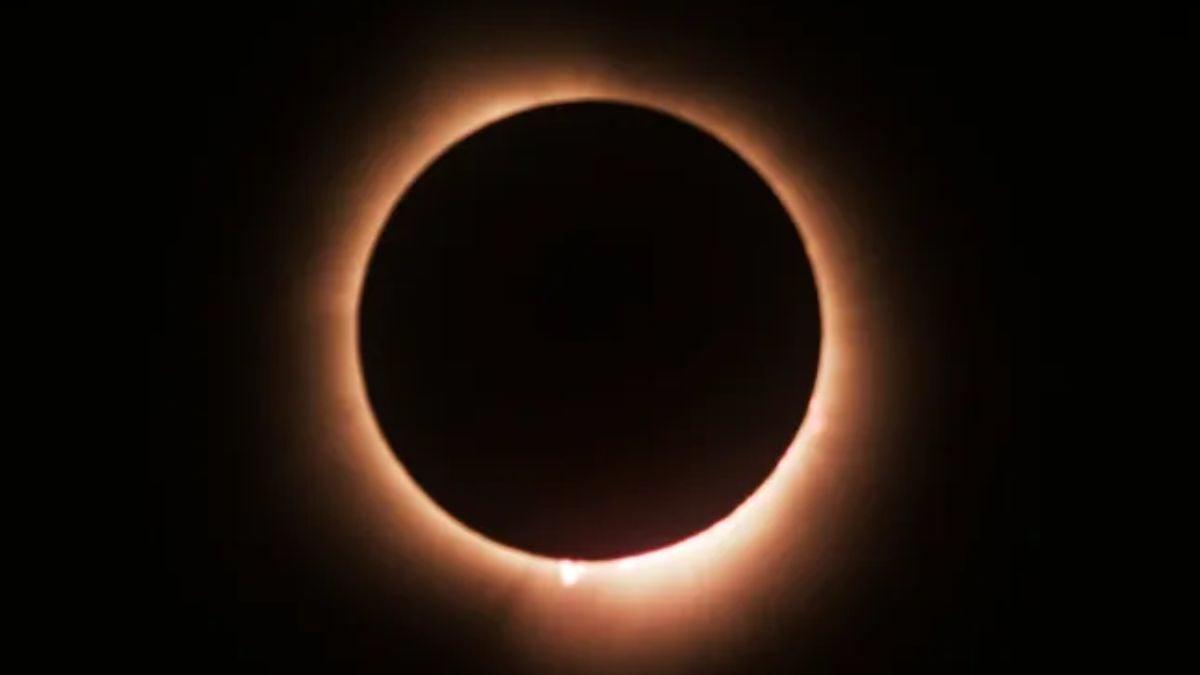
Beyond the Stars14 giorni faNotiziaUK solar eclipse will light up the sky this WednesdayThis Wednesday, August 12, promises to be an extraordinary day for astronomy enthusiasts in the UK, as a rare partial solar eclipse will take place. The moon will pass in front of the sun, creating the deepest partial eclipse the country has experienced in nearly thirty years. While observers in northern Spain, Iceland, Greenland, and Portugal will witness a total solar eclipse, the UK will still enjoy a remarkable spectacle, particularly in the far west regions such as Cornwall and Devon, where about 97 percent of the sun’s light will be obscured. For those in London, approximately 91 percent of the sun will be covered, while even the easternmost parts of the UK will see at least 88 percent coverage. Such events are infrequent, with the next opportunity for similar daytime darkness not occurring until 2081. As the sun will not be completely obscured, it is crucial for viewers to wear ISO-certified eclipse glasses to protect their eyes. As the sun sets, the excitement continues with the peak of the Perseid meteor shower. Observers can expect to see up to 50 shooting stars per hour, especially if they venture into dark, rural areas away from city lights. This combination of a solar eclipse and a meteor shower makes Wednesday a truly special day for anyone captivated by the wonders of space.0 LikeCommentaCondividiVai alla fonte?
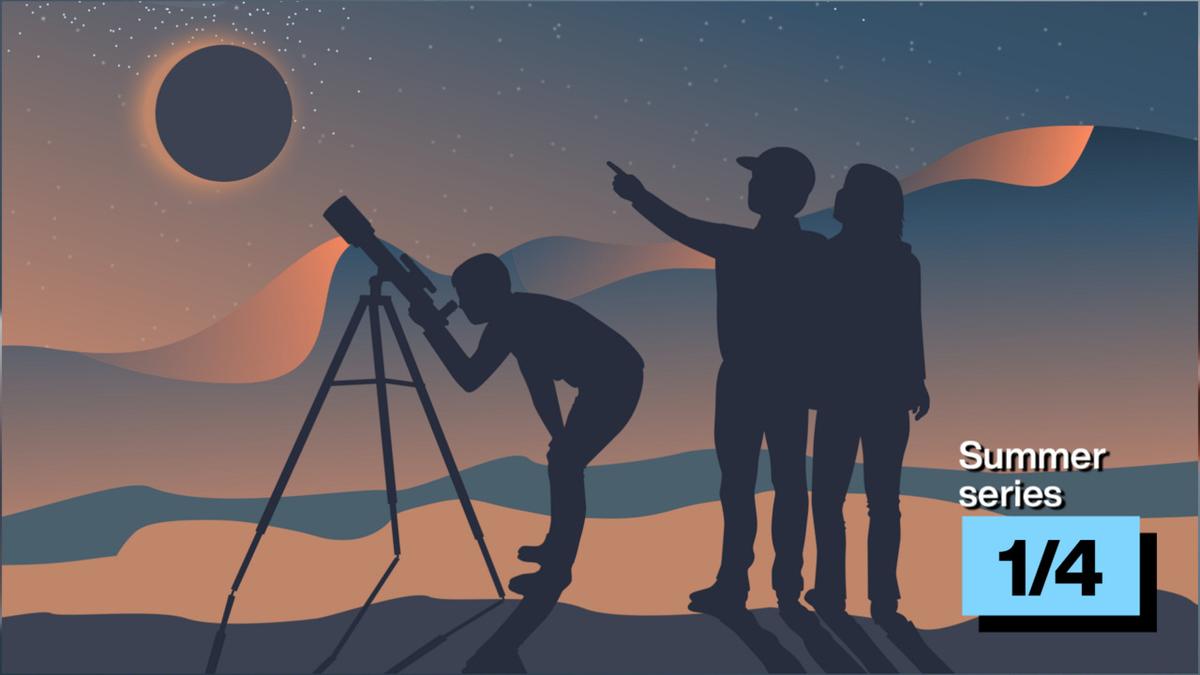
Beyond the Stars15 giorni faNotiziaEclipse chasers: When chasing totality becomes a way of life (1/4)Total solar eclipse (1/4). A total solar eclipse will sweep across northern Spain on August 12 in one of Europe's most anticipated astronomical events of the de...0 LikeCommentaCondividiVai alla fonte?
Beyond the Stars16 giorni faNotiziaMet Office Heatwave Death Claim Was Fake NewsSpace travel and astronomy have captivated human imagination for centuries, evolving from mere dreams into tangible realities. The exploration of outer space has expanded our understanding of the universe, revealing the intricate workings of celestial bodies and the potential for life beyond Earth. With advancements in technology, missions to Mars, the Moon, and beyond are no longer the stuff of science fiction; they are on the verge of becoming routine. Recent developments in space travel have seen both governmental and private entities pushing the boundaries of exploration. NASA's Artemis program aims to return humans to the Moon by the mid-2020s, paving the way for future missions to Mars. Meanwhile, private companies like SpaceX and Blue Origin are revolutionizing access to space, making it more affordable and accessible than ever before. This new era of space travel not only promises to enhance our scientific knowledge but also inspires a new generation of explorers and scientists. Astronomy, the study of celestial phenomena, plays a crucial role in our quest to understand the universe. Telescopes and satellites have allowed us to observe distant galaxies, black holes, and exoplanets, deepening our appreciation for the cosmos. As we continue to explore the stars, we are reminded of our place in the universe and the endless possibilities that lie ahead.0 LikeCommentaCondividiVai alla fonte?
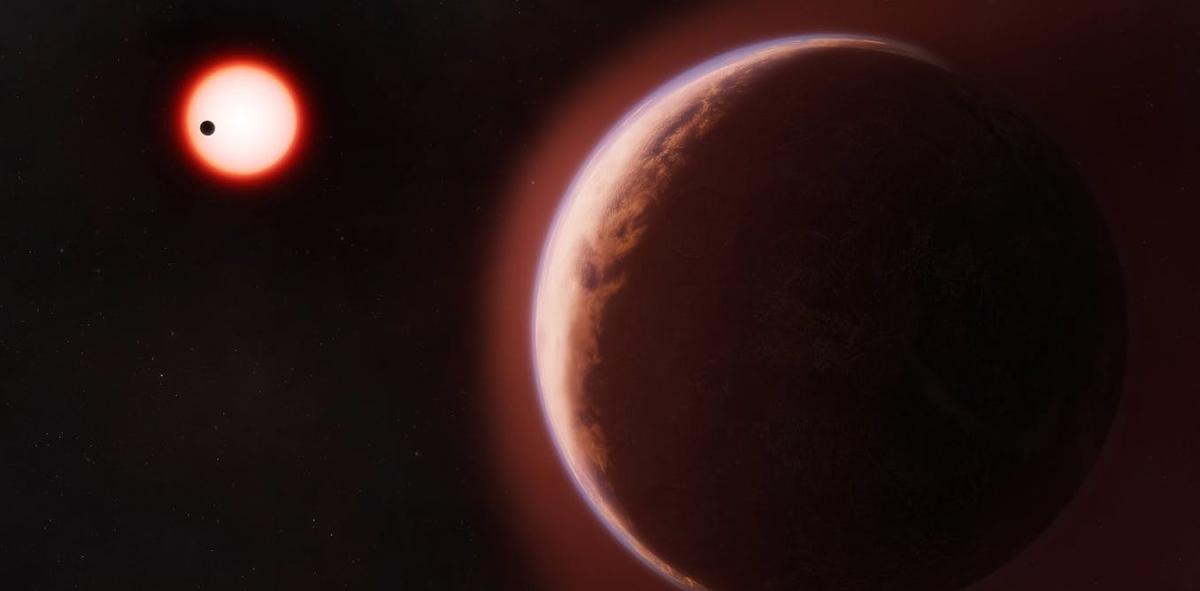
Beyond the Stars17 giorni faNotiziaWe might soon have the technology to reach other star systemsRecent advancements in astronomy have sparked excitement about the potential for interstellar travel, particularly following the discovery of an atmosphere around the rocky exoplanet LHS 1140b. Located about 48 light years from Earth, this planet lies within its star's habitable zone, where conditions may allow for liquid water—a crucial element for life. While astronomers have detected helium escaping from its atmosphere, the presence of heavier compounds like water remains a tantalizing possibility. The dream of visiting such distant worlds has long been relegated to the realm of science fiction. However, emerging technologies are paving the way for feasible missions within our lifetimes. Miniaturized spacecraft, propelled by innovative methods such as light sails, hold promise for interstellar exploration. These lightweight vessels could harness solar energy or be propelled by powerful laser arrays, allowing them to reach significant fractions of the speed of light. Solar sails, already in use for Earth-orbit missions, could revolutionize deep space exploration. They offer the advantage of long-duration missions without the need for propellant, making them ideal for rendezvousing with distant comets or exploring other celestial bodies. As we continue to refine these technologies, the prospect of sending probes to study exoplanets like LHS 1140b may soon become a reality, bringing us closer to understanding the universe and our place within it.0 LikeCommentaCondividiVai alla fonte?
Beyond the Stars18 giorni faNotiziaYou won't believe what we've left in space. It could be nearing a 'tipping point'Recent events have brought the issue of space debris into sharp focus, particularly following the collision of a SpaceX rocket fragment with the moon. This incident has reignited discussions about the growing problem of space junk, as experts warn that the increasing number of objects in orbit and on celestial bodies poses significant risks. With the resurgence of lunar exploration, including plans for a permanent base on the moon, the potential for human-made debris to accumulate is becoming a pressing concern. The moon's surface is already littered with nearly 200 tonnes of human artifacts, ranging from remnants of the Apollo missions to various tools and even golf balls. While the recent impact did not pose a threat to Earth, it raises questions about the sustainability of future space missions. As more debris accumulates, the risk of collisions increases, which could jeopardize satellites and other critical space operations. Experts emphasize the need for proactive measures to manage and mitigate space debris. Although there are no binding international laws mandating cleanup efforts, various technologies are being developed to address the issue. Solutions range from tracking systems to capture larger debris, highlighting the urgent need for collaboration among governments and private companies to ensure the safety and sustainability of space exploration.0 LikeCommentaCondividiVai alla fonte?
Beyond the Stars19 giorni faNotiziaNYPD Officer Dies After Cosmetic SurgerySpace travel and astronomy have captivated humanity for centuries, igniting our imagination and pushing the boundaries of what we know about the universe. The exploration of outer space has evolved significantly, from early telescopes that revealed distant celestial bodies to sophisticated spacecraft that venture beyond our solar system. Today, advancements in technology are making space travel more accessible, with private companies leading the charge in commercial spaceflight. As we look to the stars, astronomers continue to uncover the mysteries of the cosmos. The discovery of exoplanets, particularly those in the habitable zone, raises intriguing questions about the potential for life beyond Earth. Telescopes like the James Webb Space Telescope are providing unprecedented views of the universe, allowing scientists to study the formation of stars and galaxies in greater detail than ever before. Moreover, the idea of colonizing other planets, such as Mars, is becoming a tangible goal for space agencies and private enterprises alike. Initiatives aimed at establishing human presence on Mars highlight not only our desire to explore but also the necessity of finding new frontiers for humanity's future. As we continue to push the limits of space exploration, the journey promises to be as thrilling as the discoveries that await us.0 LikeCommentaCondividiVai alla fonte?
Beyond the Stars20 giorni faNotizia‘There’s a choice’: 11 Minnesota lawmakers face primary challengesSpace travel and astronomy have captivated humanity for centuries, igniting a passion for exploration beyond our planet. With recent advancements in technology, the dream of venturing into the cosmos is becoming a reality. Private companies, alongside national space agencies, are pioneering missions that aim to not only reach distant celestial bodies but also establish a sustainable human presence in space. The exploration of Mars has become a focal point for many space missions. Robotic rovers, like NASA's Perseverance, are currently analyzing the Martian surface, searching for signs of past life and collecting samples for future return to Earth. These missions are crucial for understanding the planet's history and assessing its potential for human colonization. Moreover, the study of exoplanets has expanded our understanding of the universe. Astronomers are discovering planets in habitable zones around distant stars, raising intriguing questions about the possibility of extraterrestrial life. The advancements in telescope technology, such as the James Webb Space Telescope, are providing unprecedented views of the cosmos, allowing scientists to delve deeper into the mysteries of the universe. As we look to the future, the prospect of space tourism and interstellar travel continues to inspire a new generation of explorers. The journey into the unknown promises not only to expand our knowledge but also to unite humanity in a shared quest for discovery.0 LikeCommentaCondividiVai alla fonte?
Beyond the Stars21 giorni faNotiziaBoldMind Capital Partners, Pall-Ex Management Team Take over CompanySpace travel and astronomy have captivated humanity for centuries, igniting our imagination and pushing the boundaries of what we know about the universe. With advancements in technology, the dream of exploring beyond our planet is becoming increasingly attainable. The recent surge in interest from private companies and government agencies alike has led to a new era of space exploration, marked by ambitious missions to Mars, the Moon, and beyond. As we venture further into space, the importance of understanding celestial bodies and their environments grows. Astronomy plays a crucial role in this endeavor, providing insights into the origins of the universe and the potential for life beyond Earth. Telescopes and space probes have revolutionized our ability to observe distant galaxies, stars, and planets, revealing the complex dynamics that govern our cosmos. Moreover, the collaboration between nations and private entities in space exploration fosters innovation and shared knowledge. Initiatives like the Artemis program aim to return humans to the Moon and establish a sustainable presence there, paving the way for future missions to Mars. As we continue to explore the final frontier, the quest for knowledge and discovery remains at the heart of humanity's journey into the stars.0 LikeCommentaCondividiVai alla fonte?
Beyond the Stars22 giorni faNotiziaSolar Eclipse Glasses: Where To Buy Them And How To Check They’re SafeAs the excitement builds for the upcoming solar eclipse on August 12, 2026, millions across North America and Europe are preparing to witness this celestial event. The eclipse will feature a partial phase visible in many regions, while a total solar eclipse will grace parts of Greenland, Iceland, and Spain. To safely enjoy this spectacle, certified solar eclipse glasses are essential, especially for those outside the path of totality, where the sun is not completely obscured. For those who saved their eclipse glasses from the April 2024 event, there’s good news: they can likely be reused if they remain in good condition. However, it's crucial to inspect them for any damage, such as scratches or pinholes, before relying on them again. Experts recommend shining a light through the lenses to ensure they are still effective. As demand for eclipse glasses surges, particularly in Europe, it’s wise to purchase them early from reputable sources like astronomy retailers and science museums. With the potential for shortages and the risk of counterfeit products, ensuring you have ISO-certified glasses is vital for safe viewing. Embrace the wonder of space travel and astronomy as you prepare for this extraordinary event!0 LikeCommentaCondividiVai alla fonte?
Beyond the Stars23 giorni faNotiziaEuropa may hold more water than Earth, but a new study suggests its hidden ocean is almost impossible to reachEuropa, one of Jupiter's icy moons, is believed to harbor more liquid water than all of Earth's oceans combined, hidden beneath a thick layer of ice. For years, scientists have speculated that water could rise through cracks in the ice, forming shallow pockets that spacecraft could sample more easily than drilling deep into the ocean. However, a new study from Rutgers University reveals that this may not be the case. Computer simulations indicate that as water moves through narrow fractures, it loses heat rapidly and may freeze solid before reaching the surface. The study highlights the importance of turbulence in these simulations, which had been overlooked in earlier models. Instead of flowing smoothly, water forced through tight cracks behaves chaotically, losing heat quickly and forming ice crystals that can seal the fractures. This means that any water detected near the surface may not be a direct connection to the deep ocean but rather the result of local melting caused by tidal heating or friction. As NASA's Europa Clipper and the European Space Agency's JUICE missions prepare to explore Europa, understanding these dynamics will be crucial. While radar signals indicating shallow water would be significant, they may not provide access to the moon's vast ocean. This research will help scientists interpret their findings more accurately, distinguishing between local meltwater and genuine samples from Europa's hidden sea.0 LikeCommentaCondividiVai alla fonte?