
How did the days of the week get their names from the Sun, Moon, and planets of the solar system
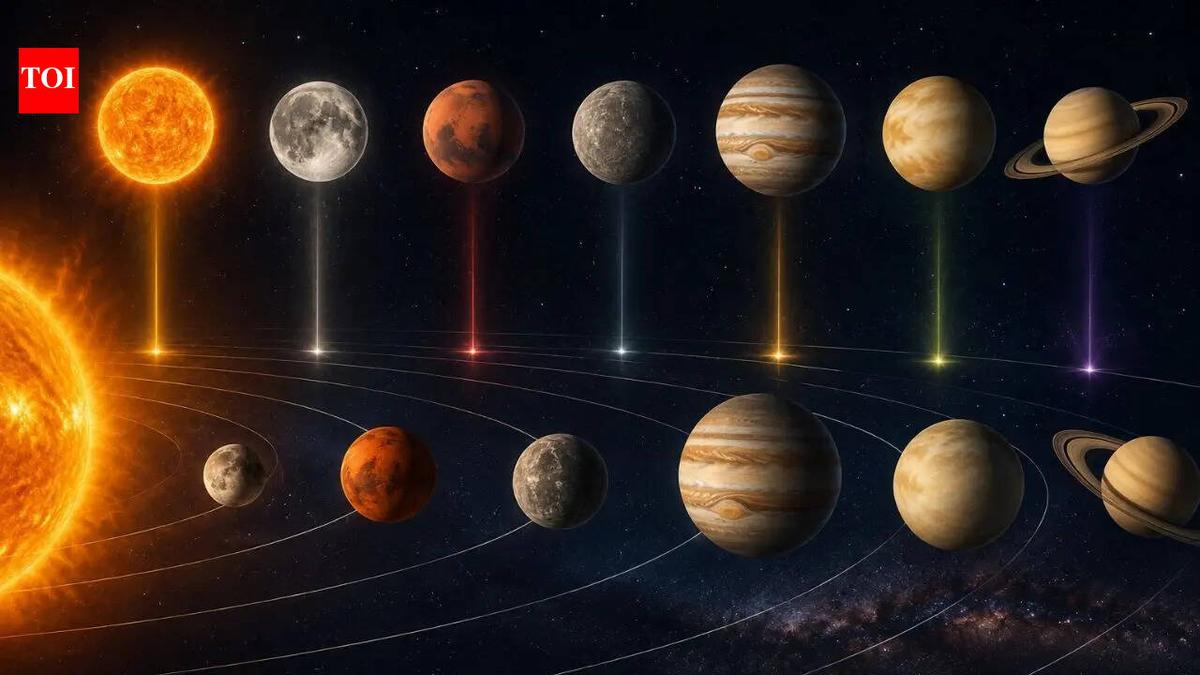
The names of the days of the week are deeply rooted in ancient observations of celestial bodies, reflecting how early societies understood the cosmos. Long before the advent of modern astronomy, people closely monitored the movements of the Sun, Moon, and visible planets. This fascination led to the establishment of a seven-day cycle, with each day linked to a specific celestial entity, a tradition that has persisted through various cultures and languages. Sunday, for instance, is directly named after the Sun, known as "Sunnandæg" in Old English, highlighting its significance in daily life. Similarly, Monday derives from "Monandæg," or "Moon's day," emphasizing the Moon's role in early timekeeping. These names illustrate how the natural world influenced human calendars and societal rhythms. As we progress through the week, each day carries the legacy of Roman and Norse mythology. Tuesday, linked to Mars and the Germanic god Tyr, evolved into "Tiw's day." Wednesday honors Mercury through Woden, while Thursday celebrates Thor, the god of thunder, and Friday connects to Venus via Frigg. Finally, Saturday retains a clear connection to Saturn, maintaining its Roman roots. These names not only mark our days but also serve as a reminder of humanity's enduring relationship with the cosmos, intertwining mythology and astronomy in our everyday lives.

Comments