
We might soon have the technology to reach other star systems
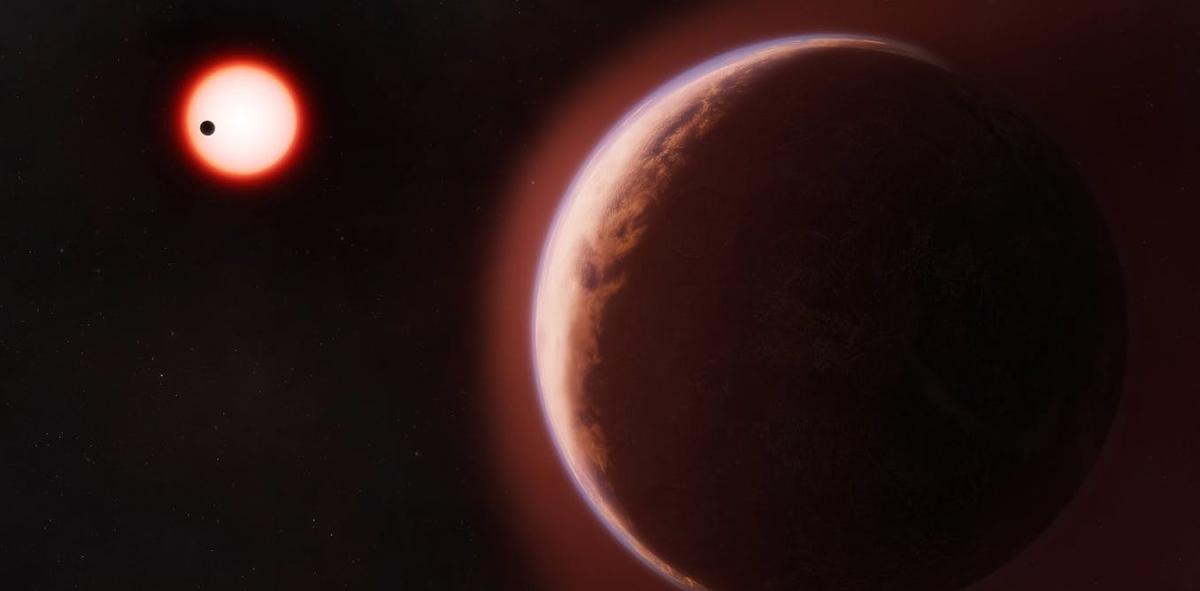
Recent advancements in astronomy have sparked excitement about the potential for interstellar travel, particularly following the discovery of an atmosphere around the rocky exoplanet LHS 1140b. Located about 48 light years from Earth, this planet lies within its star's habitable zone, where conditions may allow for liquid water—a crucial element for life. While astronomers have detected helium escaping from its atmosphere, the presence of heavier compounds like water remains a tantalizing possibility. The dream of visiting such distant worlds has long been relegated to the realm of science fiction. However, emerging technologies are paving the way for feasible missions within our lifetimes. Miniaturized spacecraft, propelled by innovative methods such as light sails, hold promise for interstellar exploration. These lightweight vessels could harness solar energy or be propelled by powerful laser arrays, allowing them to reach significant fractions of the speed of light. Solar sails, already in use for Earth-orbit missions, could revolutionize deep space exploration. They offer the advantage of long-duration missions without the need for propellant, making them ideal for rendezvousing with distant comets or exploring other celestial bodies. As we continue to refine these technologies, the prospect of sending probes to study exoplanets like LHS 1140b may soon become a reality, bringing us closer to understanding the universe and our place within it.

Comments