Gen Z visitors explore Guizhou's path to global markets

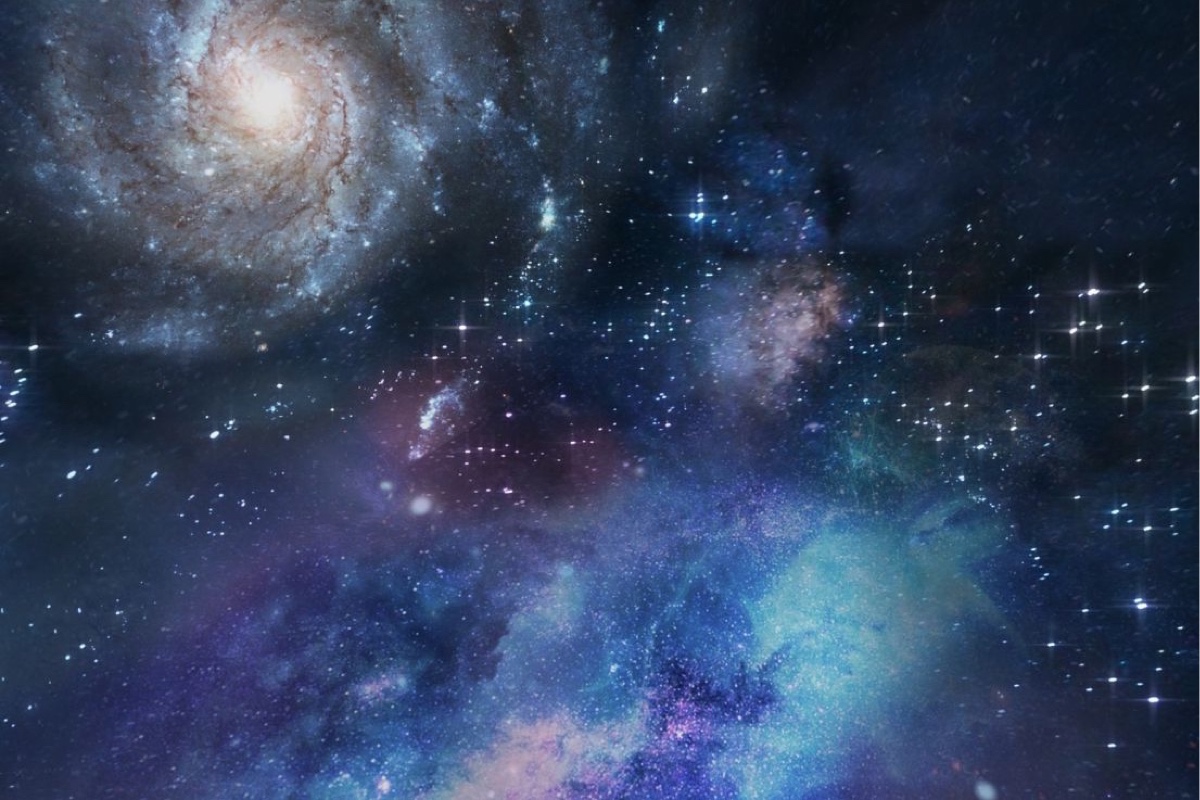
Space travel and astronomy have captivated humanity for centuries, igniting our imagination and pushing the boundaries of scientific exploration. As we venture further into the cosmos, advancements in technology have made space travel more accessible than ever before. The development of reusable rockets and international collaborations, such as the Artemis program, aim to return humans to the Moon and eventually send astronauts to Mars. These missions not only promise to expand our understanding of the universe but also inspire future generations to pursue careers in science and engineering. The study of astronomy has also evolved significantly, thanks to powerful telescopes and sophisticated instruments that allow us to peer deeper into space. Observatories like the Hubble Space Telescope and the upcoming James Webb Space Telescope have provided breathtaking images and invaluable data, revealing the mysteries of distant galaxies, exoplanets, and cosmic phenomena. This wealth of information enhances our understanding of the universe's origins, structure, and potential for life beyond Earth. As we continue to explore the final frontier, the intersection of space travel and astronomy offers endless possibilities for discovery and innovation. Each mission and observation brings us closer to answering fundamental questions about our place in the universe, fostering a sense of wonder and curiosity that transcends borders and generations.

Comments