
What America Learned About Democracy When It Gained Stealth
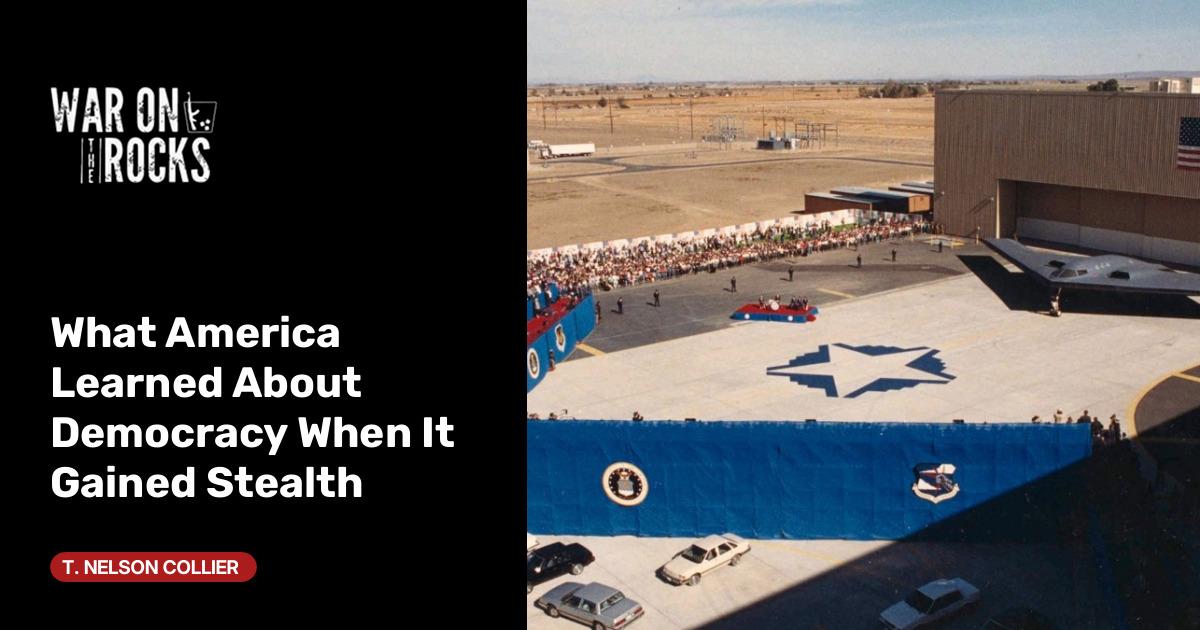
The development of stealth technology during the Cold War marked a significant turning point in American military strategy and raised profound questions about democracy and governance. On March 24, 1999, U.S. pilots utilized precision-guided munitions in Operation Allied Force, showcasing the effectiveness of stealth bombers like the B-2. This operation highlighted how advanced technology could enhance military capabilities while simultaneously posing challenges to democratic accountability. President Dwight D. Eisenhower's warnings about the military-industrial complex resonate today, as the secrecy surrounding stealth programs threatened the balance between innovation and public oversight. The rigorous classification of these technologies, initially justified by their strategic importance, often obscured the necessary transparency that a democratic society requires. The tension between national security and public knowledge remains a critical issue, particularly as the military increasingly adopts artificial intelligence. The lessons learned from the stealth bomber program emphasize the need for a framework that allows for both innovation and accountability. As the U.S. navigates the complexities of modern warfare and defense technologies, ensuring that citizens remain informed and engaged in the democratic process is more crucial than ever. Balancing secrecy with oversight will be essential for maintaining the integrity of American democracy in the face of rapid technological advancements.

Comments