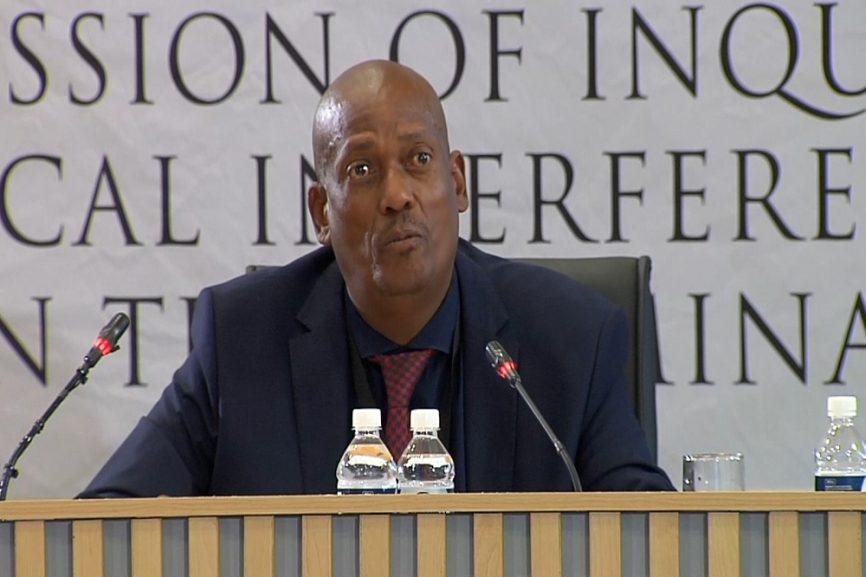
SAPS clears Makgotloe on two charges, find him guilty on two others
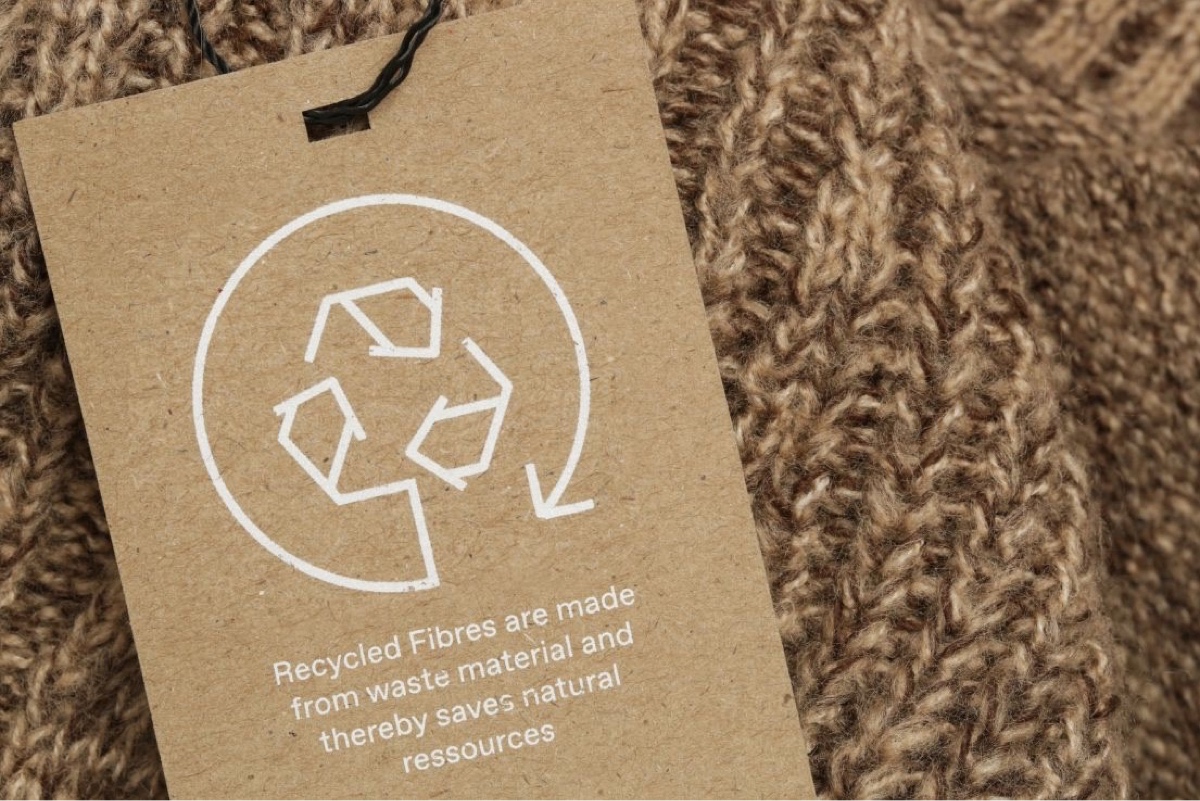
The concept of a Circular Economy emphasizes sustainability by rethinking how we produce, consume, and dispose of goods. Instead of the traditional linear model, which follows a "take-make-dispose" pattern, a Circular Economy seeks to minimize waste and make the most of resources. This approach encourages the design of products that can be reused, repaired, or recycled, thus extending their lifecycle and reducing the environmental impact. Zero Waste is a key principle within the Circular Economy framework. It advocates for the complete elimination of waste by redesigning systems and processes to ensure that all materials are reused or returned to the environment safely. This philosophy not only addresses the pressing issue of waste management but also promotes a shift in consumer behavior towards more sustainable practices. By prioritizing resource efficiency and waste reduction, communities can significantly lower their ecological footprint. Implementing these concepts requires collaboration among businesses, governments, and individuals. By fostering innovation and encouraging responsible consumption, we can create a more sustainable future. As more organizations adopt Circular Economy principles and strive for Zero Waste, the potential for positive environmental change becomes increasingly attainable, benefiting both society and the planet.

Comments