
KAIST study flags 24,000 online accounts suspected of foreign-linked influence
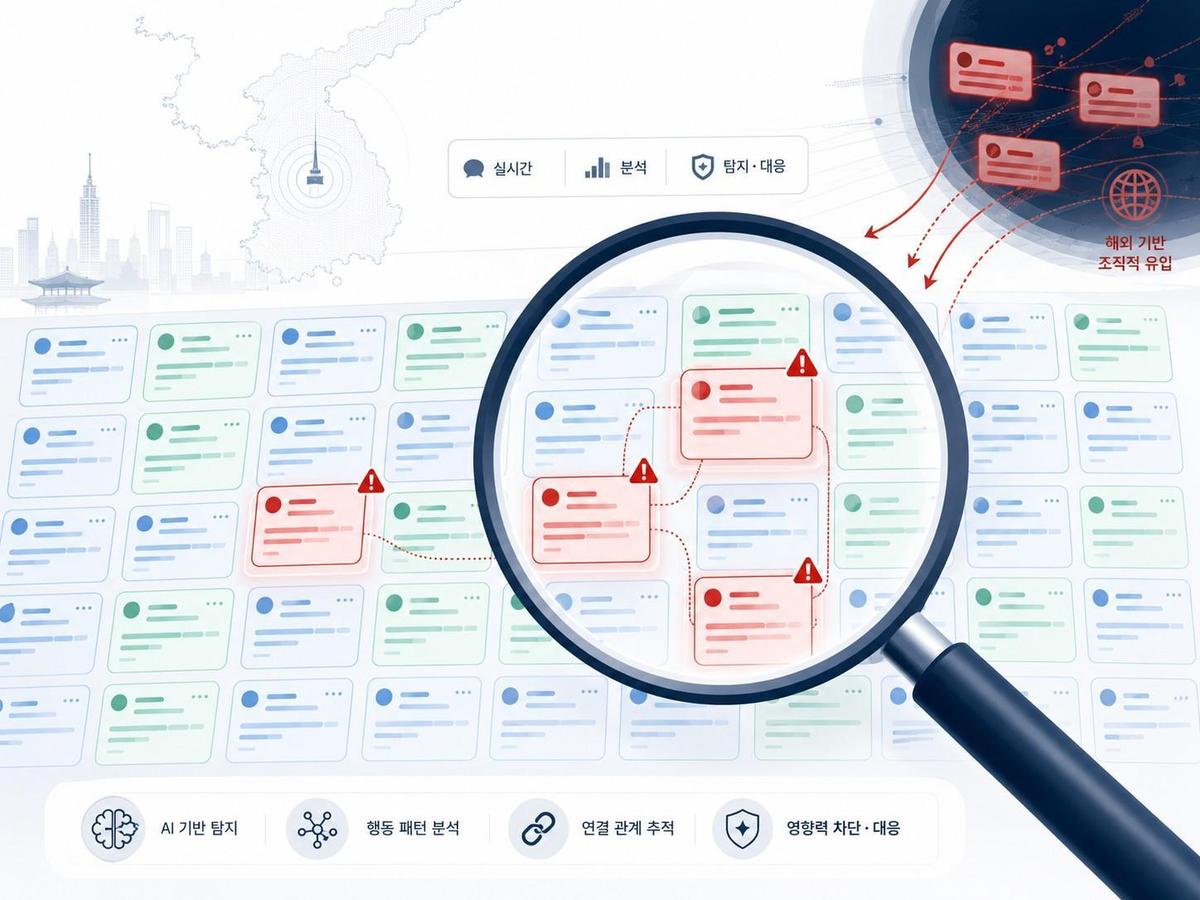
A recent study by the Korea Advanced Institute of Science and Technology (KAIST) has identified approximately 24,000 online accounts suspected of being linked to foreign influence operations aimed at exacerbating political divisions in South Korea. Utilizing advanced artificial intelligence (AI) technology, the research team developed a tool that not only flags suspicious accounts but also provides explanations for its assessments, enhancing transparency in the process. The study analyzed a staggering 112.66 million comments from Naver’s news articles spanning nearly two decades, focusing on patterns indicative of coordinated manipulation. The AI system examined various factors, such as emotional expressions, geographical indicators, and the nature of comments, revealing a trend where these accounts often targeted both conservative and liberal politicians without favoring any specific ideology. This behavior raises concerns about the potential for foreign entities to influence domestic political discourse. The findings suggest that these accounts frequently employed morally charged language to criticize Korea and its leaders, particularly during election periods. The researchers emphasize that while the AI tool can aid in identifying potentially harmful content, it should complement expert judgment rather than serve as an automatic censorship mechanism. This innovative approach highlights the critical role of data science and AI in understanding and mitigating the impact of online misinformation and foreign influence in democratic societies.

Comments