Cooking in Maximum Security is about eating well on the inside
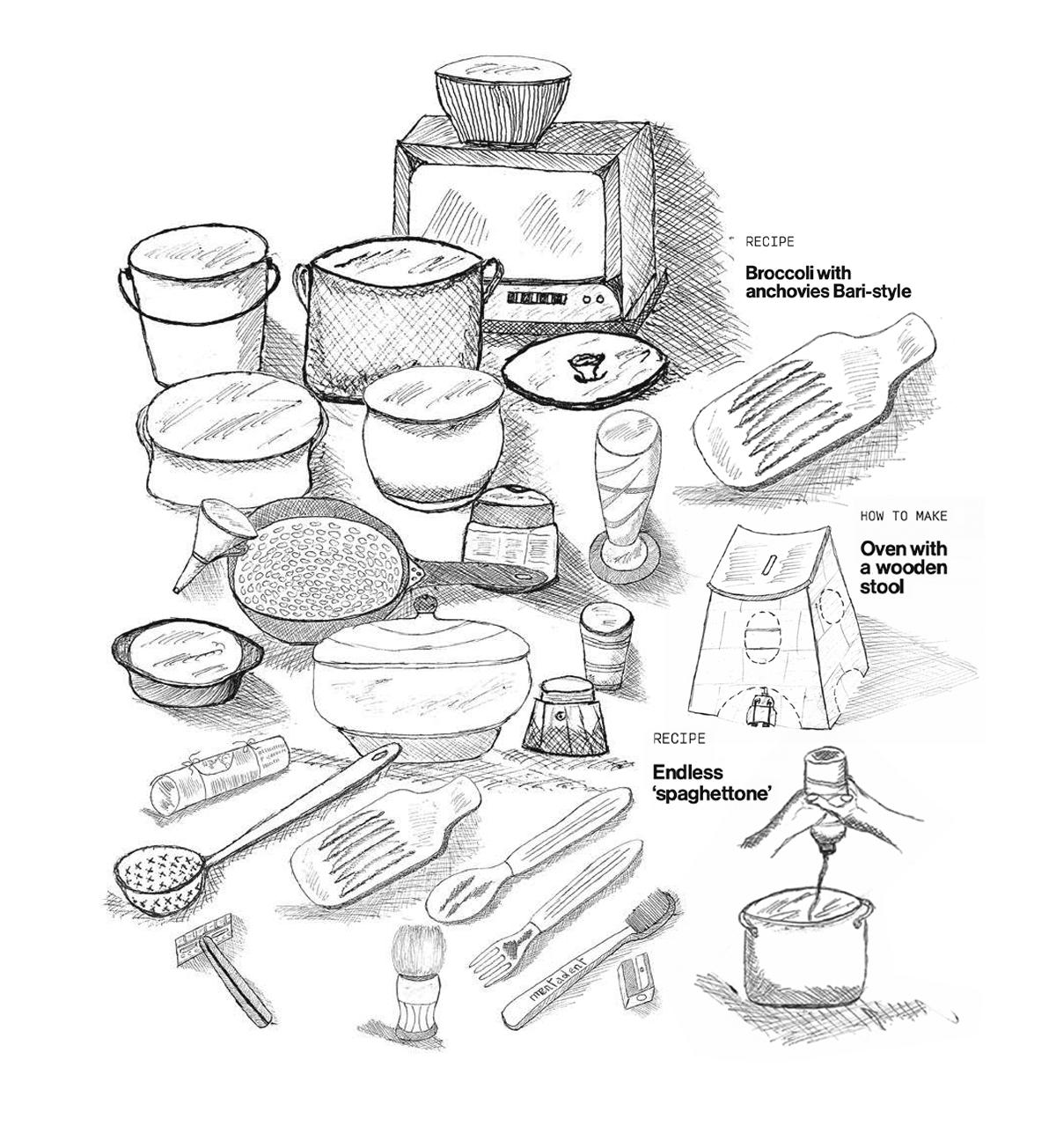
The moka pot is an iconic symbol of Italian culture, so much so that even prisoners in maximum security facilities are permitted to keep them in their cells. These two-chambered aluminum coffee makers, often used on gas-powered camp stoves available in prison commissaries, allow inmates to brew a satisfying espresso. Beyond coffee, prisoners creatively utilize the moka pot for various culinary tasks, such as tenderizing meat or preparing pesto, showcasing their resourcefulness in a constrained environment. The cookbook "Cooking in Maximum Security," co-authored by inmates and visual artist Matteo Guidi, highlights this ingenuity. First published in 2014, its recent English translation by Half Letter Press brings to light the sophisticated recipes crafted by these prisoners, including dishes like stuffed guinea fowl and apple strudel. The book not only serves as a collection of recipes but also as a testament to the resilience and creativity of those behind bars, who strive to find joy in cooking despite their circumstances. Guidi's project began in 2009, inspired by a prisoner's story of baking bread using the heat from a television. This led to a rich correspondence with inmates across Italy, culminating in a work that emphasizes the importance of culinary creativity in even the most challenging situations. The recipes invite adventurous home cooks to engage with the spirit of innovation that defines prison cooking, making it a unique exploration of resilience and human connection through food.

Comments