
BOJ Rate Pressure Puts Takaichi’s Economic Agenda Under Scrutiny
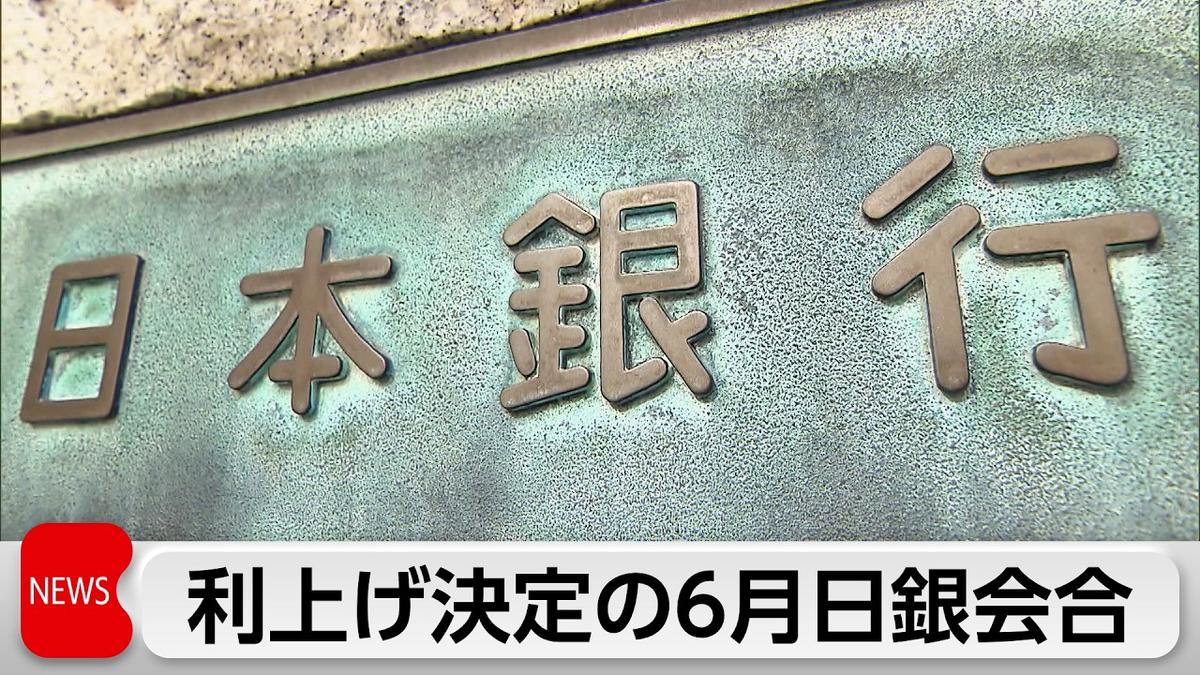
Prime Minister Sanae Takaichi's economic agenda is under increasing scrutiny as the Bank of Japan (BOJ) prepares for its upcoming policy meeting in September. With the yen experiencing significant volatility and rising fiscal concerns, market participants are closely monitoring BOJ officials' public appearances for indications of potential interest rate hikes. The central bank's recent decision to maintain its policy rate at 1% has raised questions about its ability to stabilize the yen, especially after a historic rate increase in June. Takaichi's administration is attempting to balance ambitious fiscal policies with the need for monetary independence. Plans to cut the consumption tax on food from 8% to 1% aim to alleviate household pressure amid rising inflation, but they also pose substantial fiscal risks. The projected revenue shortfall of approximately 5 trillion yen raises concerns about the sustainability of such measures, particularly as opposition parties may argue that they merely delay necessary tax increases. The interplay between Takaichi's economic strategy and BOJ policy is further complicated by external pressures, including U.S. expectations for yen stability. While a rate hike could support the yen and mitigate inflation, it would also increase borrowing costs, challenging the government's investment initiatives. Takaichi's vision of linking national security and economic growth through defense spending adds another layer of complexity, as it seeks to bolster Japan's industrial base while addressing fiscal credibility.

Comments