
Adam Smith and Christian morality
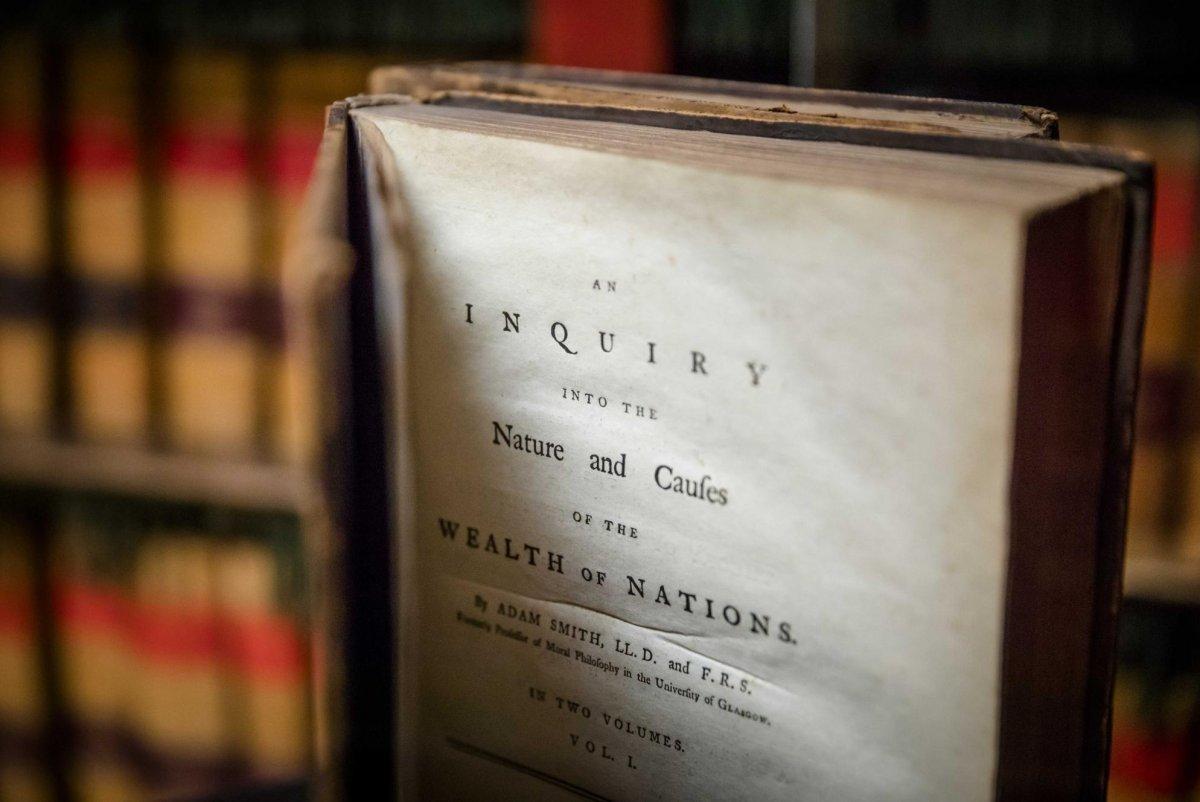
Adam Smith, often hailed as a foundational figure in modern political economy, is best known for his seminal work, "The Wealth of Nations," published 250 years ago. However, his intellectual roots lie in moral philosophy, emphasizing that economics is deeply intertwined with ethical considerations. Smith's earlier work, "The Theory of Moral Sentiments," explores themes of sympathy and conscience, suggesting that economic freedom exists within a moral framework. This relationship between capitalism and morality raises intriguing questions, particularly regarding the influence of Christian values on economic practices. While Christianity did not create capitalism, its moral teachings—emphasizing charity and caution against greed—have shaped the ethical landscape in which capitalism flourished. The challenge lies in reconciling the Christian call for personal generosity with the necessity of capital accumulation for societal advancement. Historical examples, such as the disciplined communities of medieval monasteries, illustrate that personal austerity can coexist with productive economic activity. These institutions, while renouncing personal wealth, contributed significantly to agricultural and technological advancements. Ultimately, Smith's legacy reminds us that economic freedom must be guided by moral responsibility, advocating for a balance where prosperity serves humanity rather than dominating it.

Comments