Melbourne Travel Guide: Penguins, Rowing and Vintage Markets
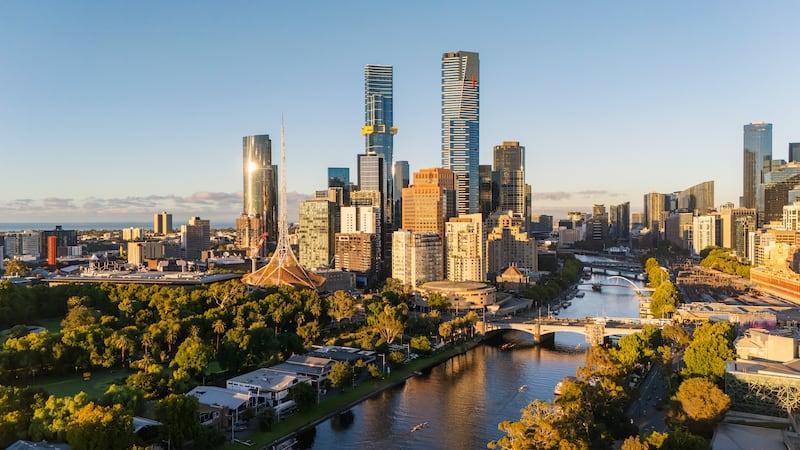
Melbourne is presented as Australia’s cultural capital, known for its diverse food scene, cafés, rooftop bars and multicultural communities. Having recently surpassed Sydney in population, the city is attracting young Australians and overseas migrants, with Sydney’s housing costs cited as one reason. Its connected network of trams, buses and local trains, along with its grid-style centre and major green spaces, makes it accessible for visitors and residents alike. The article highlights inner northern suburbs including Collingwood, Fitzroy and Carlton, where Victorian terraces, former warehouses and industrial buildings now sit alongside markets, arts spaces and cafés. Fitzroy’s Saturday vintage and arts-and-crafts markets are singled out, while the free number 35 tram from Flinders Street Station is suggested as a way to explore central Melbourne. Cultural destinations include the Old Treasury Building, the National Gallery of Victoria’s International and Australia collections, museums focused on immigration and Chinese Australian history, and the Science Gallery near the University of Melbourne. The piece also places Melbourne’s development in the context of colonisation. It notes the long occupation of the Yarra River area by Wurundjeri or Woiwurrung people of the Kulin Nation, and the damaging effects of European settlement. It traces the city’s rapid growth during the gold rush and its period as Australia’s effective capital between 1901 and 1927. Beyond the centre, Yarra Bend Park offers bushland, guided walks, cycling, boating and canoe hire. Visitors can also explore Abbotsford Convent, St Kilda’s waterfront penguins, or the Mornington Peninsula. For Melbourne, the article is relevant because it connects the city’s everyday appeal—transport, neighbourhoods, parks and culture—with its history, Indigenous landscape and changing population.





Comments