
US and Iran Set New Conditions in Strait of Hormuz Talks
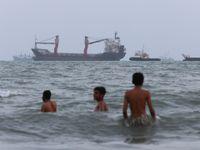
The United States and Iran have exchanged new conditions in negotiations over reopening the Strait of Hormuz, adding fresh uncertainty to efforts to contain a war that has now lasted five months. The talks are focused on one of the world’s most strategically important shipping routes, where roughly one-fifth of global oil and liquefied natural gas supplies passed before the conflict began. Washington says it is directly involved in the negotiations, signaling that the talks could become part of a broader attempt to reduce regional tensions. Iran, however, has offered a different account, saying its direct discussions are only with Oman. Tehran has proposed a future arrangement in which it would share management of the waterway with Muscat. That difference is more than a diplomatic detail. It highlights the lack of trust between the parties and raises questions about who would be responsible for security, shipping access, and enforcement if the strait reopens. Any agreement would need to reassure commercial vessels, energy markets, and neighboring countries that transit can resume without becoming another point of confrontation. The Hormuz talks may offer a limited path toward easing the immediate pressure on global energy supplies, but they do not yet appear to resolve the wider conflict between the US, Israel, and Iran. New demands on both sides suggest that even a narrow deal on shipping could take time, while a broader agreement to end the war remains uncertain.



Comments