Grapevine’s historic Main Street tells one part of the city’s story. At Nash Farm, the focus shifts to the work that sustained a household on the Grape Vine Prairie. Founded in 1859, this working farmstead in Grapevine, Texas, preserves a setting where visitors can consider early agricultural life through buildings, displays and the land around them.
A family’s arrival on the prairie
Thomas and Elizabeth Nash arrived on the Grape Vine Prairie in 1859. According to an account of the farm’s history, the family first lived in a log cabin while their house was being built; the house was completed in 1869. That sequence gives the site a useful starting point. Settlement was not a single moment of arrival but a process of establishing a home and making the land productive.
The family’s original holding was 110 acres, though the farm occupies much less land today. Its surviving grounds still make an important distinction visible: this was a place where domestic life and agricultural work happened together. Rather than treating the house as an isolated historic object, look at how it sits within the wider farmstead.
What the buildings and displays can tell you
Nash Farm’s preserved farm buildings and interpretive displays offer more than a backdrop for imagining the past. They give everyday tasks a physical setting. Moving between the structures, you can consider how a household organized its time around food, shelter and work outdoors, rather than viewing those activities as separate chapters of history.
Inside the house, an account of a visit describes furnishings and artifacts representative of the period, including a child’s hide-a-bed. Such details bring attention down to the scale of family life. They are useful clues to the kinds of questions this place invites: where people slept, what they kept close at hand and how a home accommodated the people living in it.
A farm that still interprets farm work
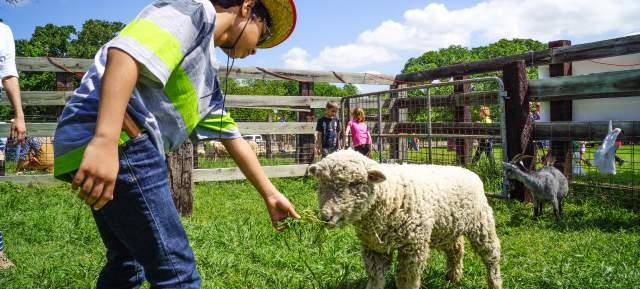
The site is not limited to looking at historic structures. Nash Farm offers self-guided exploration, educational tours, interpretive programs and heritage workshops. Its calendar includes events centered on seasonal activities and demonstrations, giving visitors different ways to learn about farming practices and life on the prairie.
That range matters because a farm is easier to understand when work is part of the explanation. A display can identify a practice; a program or demonstration can show the actions behind it. The farm’s present-day activities help connect the surviving setting to the skills once needed to maintain a household and work the land.
How to make the visit count
Nash Farm is at 626 Ball Street in Grapevine, so it can be a local-history stop alongside time in the city’s historic downtown. Start with a self-guided look at the grounds, buildings and displays. If you want more context about farming techniques or the area’s history, check whether a guided tour or interpretive program suits your visit.
Before going, consult the farm’s current visitor information and event calendar. Special events may change the usual admission arrangements, while tours and workshops offer a different experience from exploring independently. Whichever approach you choose, leave room to notice the relationship between the house, the other structures and the remaining land.
Nash Farm makes Grapevine’s agricultural past legible at the scale of a household: a home, working ground and the routines that connected them.
Sources: grapevinetexasusa.com · ourchanginglives.com



Comments