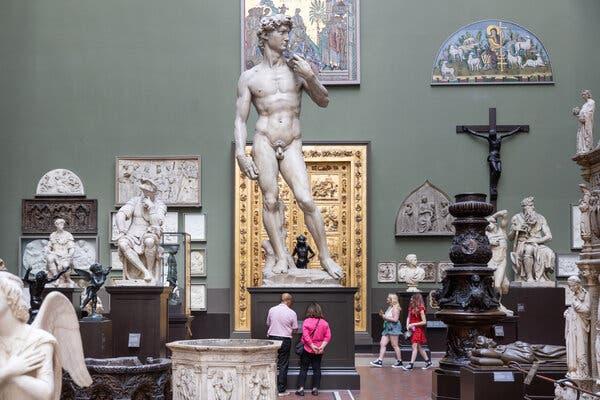
Tea after a museum visit sounds simple, but at the Victoria and Albert Museum the word “after” matters. The V&A’s South Kensington site holds more than 145 galleries, so a visit is less about finishing the museum than deciding where to stop. Its main entrance is on Cromwell Road, in Kensington and Chelsea. From there, a few carefully chosen galleries can make a satisfying afternoon before you return towards South Kensington for a cup of tea.
Why this museum belongs to South Kensington
The V&A began in 1852 as the Museum of Manufactures and became the South Kensington Museum in 1857. Those names reveal its original concern: the relationship between artistic skill and the things people make. It is now the world’s largest museum of applied arts, decorative arts and design. That focus gives a piece of furniture, a textile or a vessel as much reason to be here as a sculpture.
The museum also sits within a wider cultural district shaped by the legacy of the Great Exhibition of 1851. Funds associated with that exhibition helped establish institutions in South Kensington; the Natural History Museum and Science Museum are nearby parts of the same museum neighbourhood. The V&A is therefore worth noticing from Cromwell Road before going in: its entrance is part of a larger Victorian project to bring learning and public collections together.
At the V&A, the objects people made are the point—not a detour from the art.
Choose a material, not a finish line
The wider V&A collection numbers more than 2.8 million objects and spans 5,000 years. Its South Kensington galleries cover ceramics, glass, textiles, dress, jewellery, metalwork, furniture, sculpture, photographs and more. Those categories offer a useful way in: choose one material that interests you and see how different makers have worked with it, rather than trying to follow every century in sequence.
You could compare ceramics and metalwork, for example, or move between clothing and jewellery to think about how objects are worn. The collections include work from Europe, the Americas, Africa and Asia, with substantial holdings relating to South Asia, East Asia and the Islamic world. A focused visit makes room to look closely without treating all those places and traditions as a checklist.
Let the building change your pace
The Cromwell Road entrance is a reminder that the V&A is not a neutral container for its collections. Its South Kensington buildings have grown through the work of multiple architects, and the contrast between historic and newer spaces is part of what you encounter while moving through the museum. Pause between galleries to notice that change of setting as well as the change of objects.
Scale is another reason to slow down. With more than 145 galleries at this site, even deciding what to leave unseen is part of the visit. Pick one or two areas, give yourself permission to change direction if an object catches your attention, and use the building’s transitions as natural points to take stock.
Make tea the ending, not the deadline
General museum admission is free, though some exhibitions may require a ticket. That makes a short, selective visit a reasonable plan in its own right. Begin at the Cromwell Road entrance, follow the material or collection you chose, then head back towards South Kensington station when you are ready to leave.
Save the tea decision until afterwards. Look for a café on your way back, check what is actually available, and sit with one question from the galleries: which object changed how you thought about its material or use? A cup of tea need not compete with a museum this large. It can simply mark the moment when looking turns into conversation.
The V&A rewards curiosity more than endurance. Choose a small part of its collection, notice the building around it, and let tea give that encounter a little time to settle.
Sources: en.wikipedia.org · londonita.com



Comments