
August 7 Marks Tragic Anniversary of U.S. Embassy Bombings in Nairobi, Killing 224
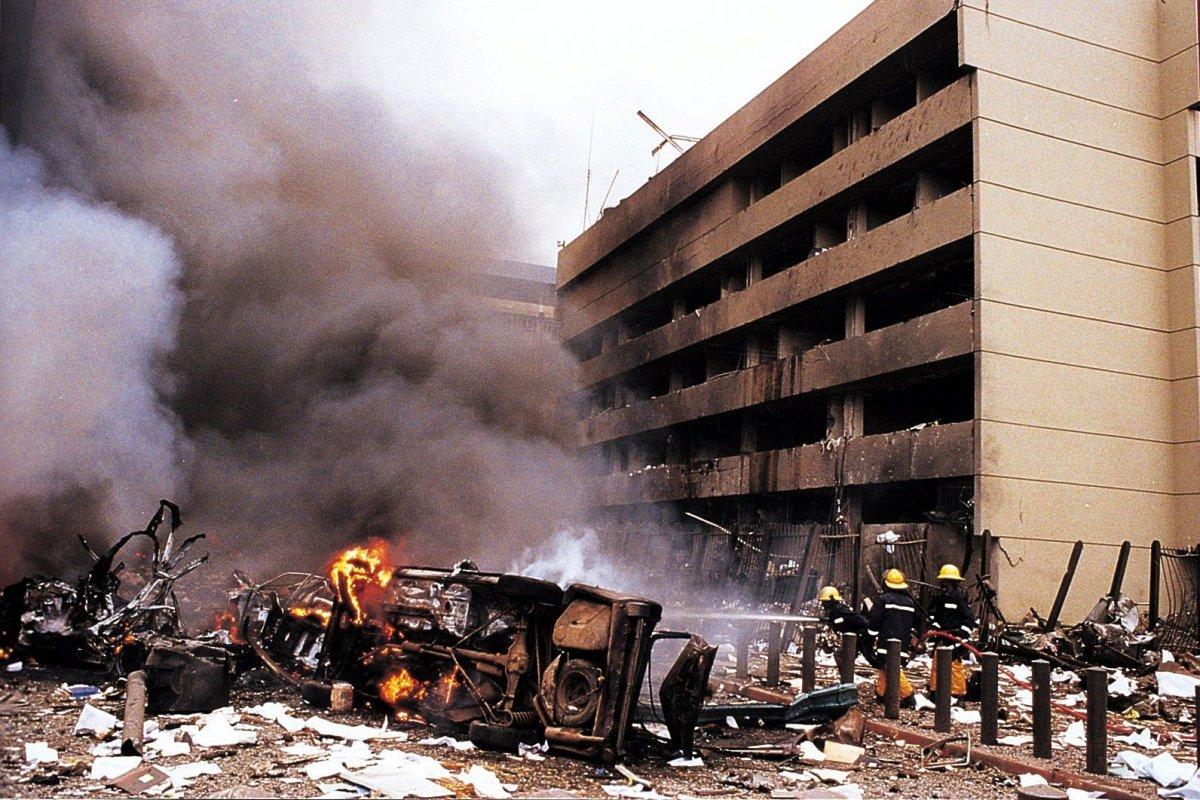
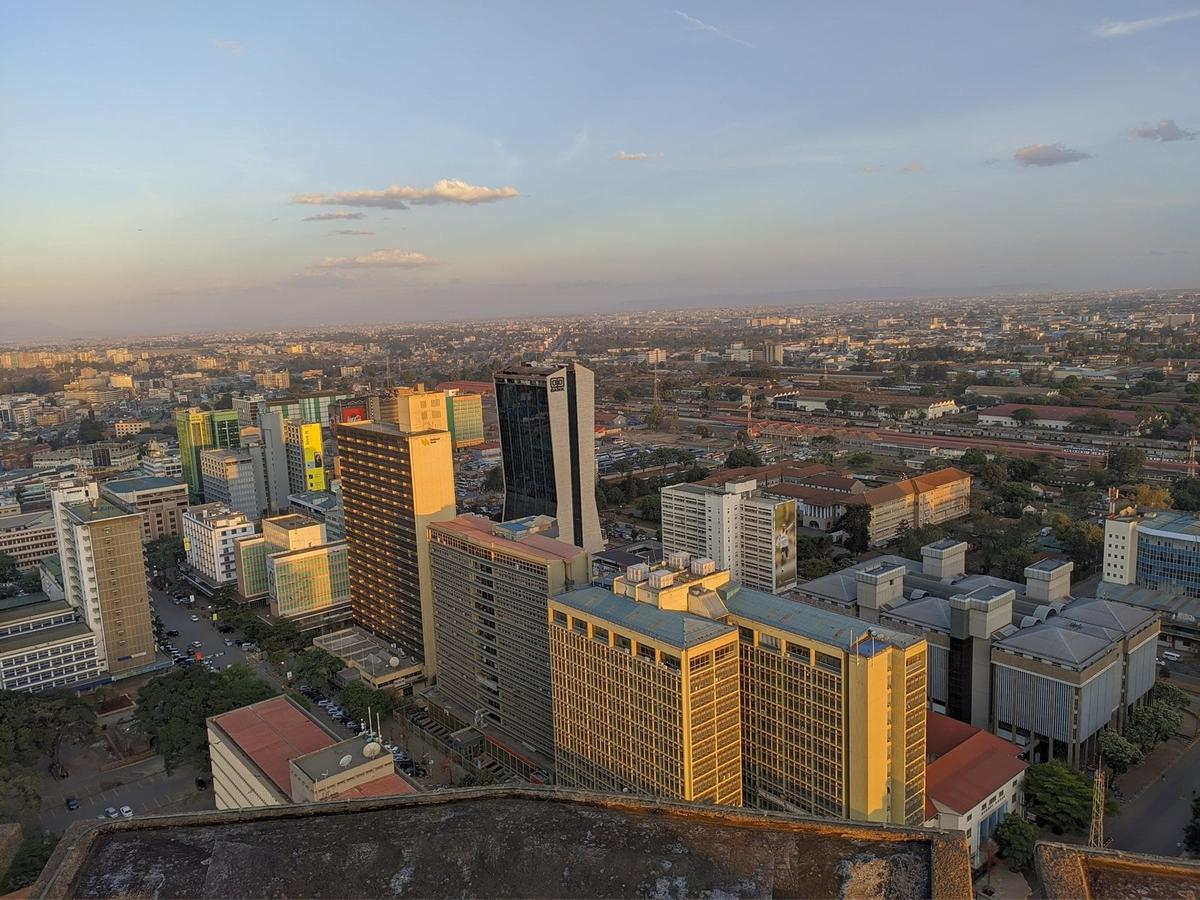
On August 7, 1998, a tragic event unfolded in Nairobi, Kenya, when a terrorist attack targeted the U.S. Embassy, resulting in the deaths of 224 individuals. The bomb detonated just moments before a similar explosion occurred in Dar es Salaam, Tanzania, marking a devastating day in history. The attack not only claimed lives but also left approximately 4,000 people injured, highlighting the profound impact of such acts of violence on communities. In the immediate aftermath of the bombing, emergency responders rushed to the scene in Nairobi, working tirelessly to rescue survivors and provide medical assistance. The chaos and destruction were palpable, as the once-bustling area transformed into a site of mourning and devastation. The attack drew international condemnation and raised concerns about security measures at embassies worldwide, prompting a reevaluation of how nations protect their citizens abroad. Nairobi, often celebrated for its vibrant culture and dynamic economy, faced a somber reality following the attack. The city, which is a hub for diplomacy and international business in East Africa, had to grapple with the implications of terrorism on its image and safety. The bombing served as a stark reminder of the vulnerabilities that exist even in the most bustling urban centers, affecting not only the immediate victims but also the broader community and its sense of security. In the years since the attack, Nairobi has shown resilience and determination to overcome the scars left by that day. The city has continued to grow and evolve, with efforts to enhance security and foster a spirit of unity among its residents. The memory of those lost on that fateful day remains a poignant part of Nairobi's history, serving as a call to action for peace and solidarity in the face of adversity.







Comments