
Unions Express Concerns Over Lyttelton Port's Future After Bid Rejection in Canterbury
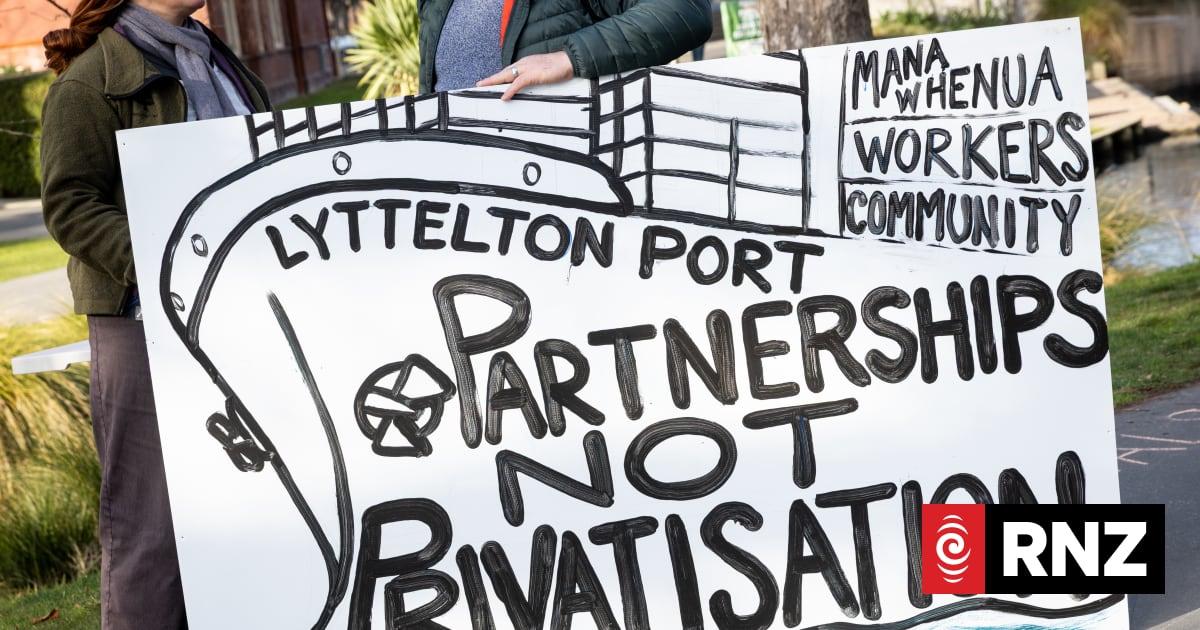
Concerns surrounding the potential privatization of Lyttelton Port have intensified following the Christchurch City Holdings Limited (CCHL) decision to reject an unsolicited bid from global port operator DP World and three local rūnanga. Union protesters gathered outside CCHL's office to express their dissatisfaction, emphasizing the importance of keeping the port in public hands. Maritime Union Lyttelton branch secretary Gerard Loader highlighted that this rejection, while positive, does not eliminate the risk of future privatization attempts, noting that similar situations have occurred in other regions, including Auckland. The proposed $800 million expansion and modernization plan for Lyttelton Port has raised additional concerns among union representatives. Rail and Maritime Transport Union's Lyttelton branch secretary Mark Wilson warned that significant debt could lead to future privatization efforts. He stressed the necessity of involving local communities and mana whenua in any discussions regarding the port's future. Wilson advocated for public consultation to ensure that the voices of Christchurch residents are heard in decisions affecting their assets. Murray Horton, a spokesman for Keep Our Assets, echoed these sentiments, asserting that the community has consistently expressed a desire to maintain public ownership of local assets. He criticized the ongoing battle against privatization efforts, emphasizing that the public's wishes should be prioritized. CCHL's chair, Bryan Pearson, stated that the council's expectations did not support leasing the port and encouraged a directly employed workforce, reflecting confidence in the current management and operational performance of the Lyttelton Port Company. In response, Tōnui spokesperson Dr. Liz Brown expressed disappointment with CCHL's decision, questioning whether the proposal was fairly evaluated. She argued that the partnership aimed to retain public ownership while leveraging international expertise and local knowledge. Brown called for transparency regarding the assessment process and suggested that the proposal should have been reviewed more broadly by elected representatives, given its significance to the community.






Comments